Exploring The Psychology Behind Casino Gambling
- Naam:
- Leeftijd:
- jaar
- Plaats:
- Gemeente:
- Tags:
- Geen tags
The Allure of Gambling: A Psychological Perspective
The fundamental allure of casino gambling can be attributed to a mix of psychological factors and the environment itself. Casinos are meticulously designed to evoke excitement, featuring vivid colors, enticing sounds, and the thrill of chance. From a psychological standpoint, the anticipation of winning—often influenced by the near-miss phenomenon—can trigger intense emotional responses. Even when players lose, the thrill of being close to a win can keep them engaged, leading them to believe that victory is just a turn of the card or a spin of the wheel away, especially when they try their luck at MCW Casino and experience the adrenaline rush of various games.
This combination of risk and reward taps into our innate psychological desires for excitement and distraction, providing a temporary escape from mundane realities. The highly stimulating environment can lead to a temporary euphoria that is often sought after in everyday life. As individuals step into this vibrant world, they may experience a rush that is difficult to replicate elsewhere, feeding into the allure of returning to the casino time after time.
Moreover, social acceptance plays a crucial role in the psychology of casino gambling. In many cultures, gambling is normalized and even celebrated, leading individuals to partake in casino activities without the stigma that may accompany other forms of risk-taking. This social context reinforces the behavior, making it not just an individual pursuit, but a shared experience that further deepens its psychological grip on players. The camaraderie found in casinos enhances the enjoyment, creating an atmosphere where gambling is not just about the game, but about connecting with others.
The Thrill of Uncertainty: Behavioral Economics at Play
The concept of uncertainty plays a pivotal role in gambling, drawing on principles from behavioral economics. Players are often motivated by the randomness of outcomes, which can create a sense of hope and possibility. Gamblers tend to underestimate the odds against them, leading to an overestimation of their chances of winning. This cognitive bias, known as the illusion of control, can lead individuals to believe they have more influence over the outcomes than they actually do, making them more likely to engage in gambling activities.
Additionally, the phenomenon of loss aversion comes into play. Research shows that people are more motivated to avoid losses than to achieve gains. In a casino setting, this means that the stakes often feel higher due to the fear of losing money they’ve already spent. This can drive players to take greater risks in hopes of recouping losses, creating a cycle of behavior that can lead to problem gambling. The emotional rollercoaster of winning and losing thus feeds into a gambler’s psyche, perpetuating their desire to take risks.
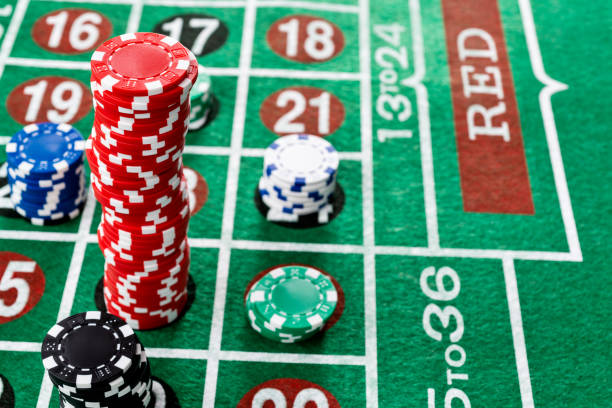
Furthermore, casinos utilize strategies that exploit these psychological principles to maximize profits. The arrangement of games, the use of rewards programs, and even the layout of slot machines are all designed to influence player behavior. Environments are optimized to encourage longer playing times, ensuring that the thrill of potential winnings keeps players engaged. By reinforcing their commitment to the games despite the inherent risks, casinos create an atmosphere where the excitement of gambling overshadows the reality of losses.
The Role of Emotions in Gambling Behavior
Emotions play a significant role in gambling decisions, with both positive and negative feelings influencing player behavior. Joy, excitement, and exhilaration often accompany winning, leading to a euphoric experience that reinforces the desire to keep playing. Conversely, negative emotions such as stress and anxiety sometimes drive individuals to gamble in an attempt to escape from their problems. This emotional coping mechanism can quickly spiral out of control, leading players to gamble as a way to manage their feelings instead of addressing the underlying issues.
Research in the field of psychology indicates that individuals who struggle with emotional regulation are particularly vulnerable to developing problematic gambling habits. A player’s mood can greatly influence their gambling decisions, affecting how much they are willing to stake and how long they remain in the game. Understanding the link between emotions and gambling behavior is crucial for both gamblers and those seeking to support them in managing their habits.
Furthermore, the emotional aftermath of gambling can lead to complex psychological scenarios. For many, the guilt and shame that follow losses may prompt them to gamble more in an attempt to regain lost money, compounding their emotional distress. This cycle of emotional highs and lows creates a turbulent psychological environment where reason often takes a backseat to emotion, resulting in continued patterns of gambling behavior that can lead to addiction. This emotional turbulence highlights the importance of emotional awareness in mitigating gambling-related issues.
Social Influences and Peer Pressure in Gambling
Social dynamics significantly impact gambling behavior, as friends and peers can create a culture that normalizes or encourages casino visits. Social interactions in these environments can enhance the thrill of the experience, making gambling a group activity rather than a solitary one. The desire to fit in or gain social approval can lead individuals to gamble more than they typically would, often pushing boundaries and risking greater sums in the company of others. This social aspect becomes a powerful motivator, driving individuals to seek out gambling as a form of entertainment.
Moreover, gambling can create social bonds. Many individuals associate their gambling experiences with shared memories and camaraderie, reinforcing their habitual attendance at casinos. This sense of belonging can enhance the enjoyment of the activity, making it more than just a chance-driven endeavor but also a social event filled with laughter and bonding. However, this camaraderie can also mask the potential for destructive habits, as friends may inadvertently encourage risky behaviors that can lead to significant financial and emotional repercussions.
Peer pressure is particularly potent among younger gamblers, who may be more susceptible to the influence of social norms. The thrill of gambling can appear more appealing when friends are engaged in the activity, further fueling the desire to participate. As these social influences take hold, distinguishing between healthy recreational gambling and harmful patterns becomes increasingly complex. This necessitates a critical awareness of one’s personal limits and the potential consequences of succumbing to peer pressure.
Understanding Problem Gambling and Seeking Help
Recognizing the signs of problem gambling is essential for individuals and their loved ones. Problem gambling can manifest in various ways, including financial difficulties, neglecting responsibilities, and deteriorating relationships. Understanding the psychological mechanisms behind this behavior is vital for developing effective intervention and support strategies. Awareness and education about the risks of gambling can empower individuals to make informed decisions and seek help when necessary, fostering a culture of responsibility within gambling communities.
Fortunately, a range of resources exists to aid those affected by gambling problems, including counseling, support groups, and educational programs. These resources can provide individuals with the tools needed to manage their gambling behaviors, addressing the emotional and psychological factors that contribute to their issues. Encouraging open conversations about gambling can also lessen the stigma associated with seeking help, making individuals feel more comfortable addressing their challenges. As more people become aware of the risks, the community can support healthier gambling practices.
Creating a culture that prioritizes responsible gambling practices is key in mitigating the risks associated with casino gambling. By fostering an understanding of the psychological underpinnings of gambling, both individuals and communities can work together to create safer environments. Ultimately, it is crucial to recognize that seeking help is a sign of strength and an important step towards recovery and healthier relationships with gambling. A supportive environment can significantly enhance the chances of recovery for those struggling with gambling addiction.